
How Australian Agribusinesses Can Prepare for AASB S2 Climate Reporting
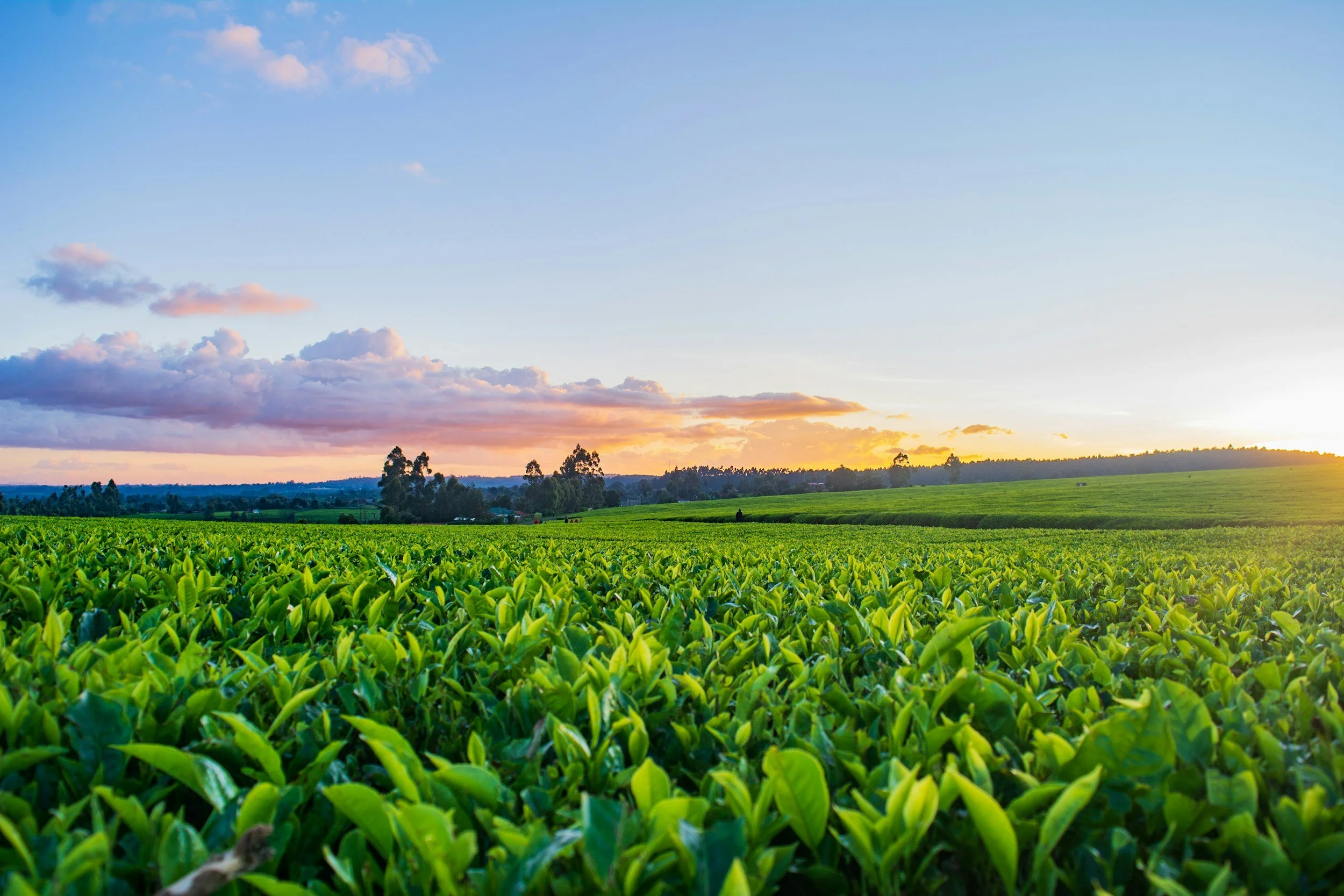
No sector understands, or is more exposed to, changes in prevailing weather conditions than agriculture. The sector is therefore expected to develop a sound understanding of the potential financial impacts of these changes and disclose them clearly.
Changing rainfall patterns, drought, heatwaves, floods, bushfires, water availability, soil conditions and changing growing seasons can all affect agricultural productivity and business performance. At the same time, agribusinesses are facing increasing expectations from investors, lenders, customers and supply-chain partners for better information about climate-related risks and opportunities.
For some Australian agribusinesses, these considerations are becoming part of a broader reporting requirement under AASB S2 Climate-related Disclosures.
AASB S2 requires entities within the mandatory reporting regime to disclose material information about climate-related risks and opportunities that could reasonably be expected to affect their prospects, including their cash flows, access to finance or cost of capital. The disclosures cover four key areas: governance, strategy, risk management, and metrics and targets.
For agribusinesses, preparing for AASB S2 is not simply about producing another sustainability report. It requires companies to understand how climate change could affect their business model, operations, assets, supply chains and financial performance. Companies must support these disclosure aspects with data and processes that can stand up under auditor scrutiny
What is AASB S2?
AASB S2 is Australia's climate-related financial disclosure standard. It is based on the International Sustainability Standards Board's IFRS S2 and is designed to provide useful information about climate-related risks and opportunities.
The standard focuses on four core areas:
Governance – how the company oversees climate-related risks and opportunities.
Strategy – how climate-related issues affect the business model, strategy, decision-making and financial planning.
Risk management – how climate-related risks are identified, assessed, prioritised and monitored.
Metrics and targets – how the company measures climate-related performance, including greenhouse gas emissions and progress against targets.
As part of the strategy disclosures, AASB S2 also requires businesses to consider climate resilience and use climate-related scenario analysis to assess how their strategy and business model may perform under different climate scenarios.
Why does AASB S2 matter to agribusiness?
Agricultural businesses are inherently connected to environmental conditions. Climate can influence crop yields, livestock productivity, water availability, input costs, infrastructure, land values, insurance costs, market access and supply-chain reliability.
This means climate-related risks may already be embedded in everyday business decisions. For example, an agricultural business may need to consider:
Physical climate risks
Physical risks are the direct effects of climate change on operations and assets.
For agribusinesses, these could include, increased frequency or severity of drought, extreme heat affecting crops, livestock or workers, flooding and storm events, bushfire risk, soil degradation and erosion and many more.
The key question under AASB S2 is not simply whether these risks exist. The company needs to consider whether they could reasonably be expected to affect its prospects and, where material, how they may affect the business.
Transition risks
Agribusinesses may also face risks associated with the transition to a lower-emissions economy.
These could include, changes in customer expectations, changing procurement requirements, carbon-related policies and regulation, changes in energy costs and requirements from major customers to provide emissions data.
At the same time, the transition may create opportunities. These could include renewable energy adoption, improved energy efficiency, regenerative agriculture practices, carbon projects, new markets, technology adoption and improved resource efficiency.
AASB S2 requires companies to consider both risks and opportunities, rather than focusing solely on negative climate impacts.
Step 1: Determine whether your agribusiness needs to report
The first step is understanding whether your company falls within Australia's mandatory climate reporting requirements.
Mandatory reporting applies to certain entities that prepare financial reports under Chapter 2M of the Corporations Act 2001 and meet the relevant criteria. The regime is being introduced progressively across three groups, with reporting commencing from financial years beginning on or after 1 January 2025, 1 July 2026 and 1 July 2027 respectively, depending on the entity.
Being an agribusiness does not, by itself, determine whether AASB S2 applies. However, even businesses outside the mandatory regime may have good reason to prepare.
Banks, investors, customers, insurers and supply-chain partners may increasingly request information about climate exposure, emissions and resilience.
Understanding your climate-related data now can therefore help reduce future reporting pressure and improve business decision-making.
Step 2: Establish governance and accountability
Climate reporting should not sit entirely within the sustainability or environment team. AASB S2's governance requirements mean companies need to understand how responsibility for climate-related risks and opportunities is assigned and overseen.
For agribusinesses, this may involve:
Board oversight
Executive accountability
Finance
Risk management
Operations
Sustainability
Farm or property management
Procurement
Supply chain
Data owners
Clear ownership is important because climate reporting increasingly intersects with financial reporting, risk management and strategic planning.
Step 3: Identify your climate-related risks and opportunities
Once reporting requirements are understood, agribusinesses should begin identifying the climate-related risks and opportunities that could affect the business. This should go beyond creating a generic list of climate risks. Reporters should use a working definition of climate as, prevailing weather conditions in a given location.
Consider how climate could affect specific parts of the business:
Operations
Could extreme heat, drought or flooding affect production?
Assets
Could climate conditions affect farm infrastructure, machinery, storage facilities or other assets?
Supply chain
Could climate events affect suppliers, transport, processing or distribution?
Markets
Could changing customer requirements or consumer preferences affect demand?
Finance
Could climate-related risks influence insurance premiums, borrowing costs, capital expenditure or access to finance?
Workforce
Could changing climate conditions affect worker safety, availability or productivity?
AASB S2 requires companies to consider the current and anticipated effects of climate-related risks and opportunities on their business model and value chain.
Step 4: Start building reliable climate data
Good climate reporting depends on good data. For agribusinesses, relevant data may already exist across multiple parts of the business.
For example:
Fuel consumption
Electricity use
Agricultural inputs and fertiliser use
Livestock numbers
Water consumption
Land-use change information
Production volumes
Transport activity
Waste
Renewable energy generation
Carbon projects
Purchased goods and services
Supplier information
The challenge is often not the absence of data, but the fact that it is spread across spreadsheets, invoices, operational systems, farm management systems and other disconnected sources.
AASB S2 includes requirements for greenhouse gas emissions, including Scope 1, Scope 2 and Scope 3 emissions. The standard specifies the use of the GHG Protocol Corporate Accounting and Reporting Standard unless another measurement method is required by an applicable jurisdiction or exchange.
For companies preparing for reporting, this makes it important to understand where the data comes from, who owns it, how it is calculated and how the calculation can be reproduced.
Step 5: Understand your Scope 3 emissions
Scope 3 can be particularly important for agribusinesses because significant emissions may occur throughout the value chain rather than directly from a company's own operations.
Depending on the business model, this could include emissions associated with:
Purchased agricultural inputs
Fertiliser
Feed
Transport and logistics
Processing
Purchased goods and services
Capital goods
Business travel
Waste
Downstream processing
Distribution
Use of sold products
The relevance of each category will depend on the company and its value chain.
Rather than trying to collect every possible piece of data immediately, companies should first understand which sources are likely to be material and relevant to their climate-related disclosures.
Step 6: Connect climate risk to financial impacts
One of the most important shifts in AASB S2 is moving from simply describing environmental impacts to considering their potential financial implications.
For example, drought may reduce crop yields - but the AASB S2 question goes further:
What could reduced yields mean for revenue, operating costs, cash flow, asset values, capital expenditure or access to finance?
Similarly, increased heat may affect livestock productivity. The company should consider how that risk could affect production, revenue, costs and longer-term business planning. This connection between climate risk and financial performance is central to the purpose of AASB S2.
Step 7: Prepare for climate scenario analysis
Scenario analysis is another important part of AASB S2. For an agribusiness, scenario analysis can help explore how different climate futures could affect the business's strategy and business model.
For example, a company could consider scenarios involving:
Higher average temperatures
More frequent extreme heat
Reduced rainfall
Increased rainfall variability
Greater water scarcity
More frequent extreme weather events
Changes in agricultural productivity
Changing market and policy conditions
More supply chain disruptions
The purpose is not to predict exactly what will happen. Instead, scenario analysis helps companies test the resilience of their strategy under different plausible future conditions.
AASB S2 requires climate-related scenario analysis to be used to assess climate resilience, with the approach being commensurate with the entity's circumstances.
For agribusinesses, this can make scenario analysis particularly useful beyond reporting. It can help inform decisions about water management, crop selection, infrastructure investment, diversification, insurance, supply chains and capital planning. At this stage the previously identified climate-related risks and opportunities should be reviewed and the evolution of the applicability of risks over the medium and long-term reconsidered.
Step 8: Build an audit-ready evidence trail
AASB S2 reporting requires companies to make judgements and disclose information that faithfully represents their climate-related risks and opportunities. That means having a number in a spreadsheet is not necessarily enough.
Businesses should be able to explain:
Where the data came from
Who provided it
What methodology was used
What assumptions were made
How calculations were performed
What changed from the previous reporting period
What evidence supports the disclosure
Who reviewed and approved the information
Building this evidence trail early can make future assurance and reporting processes considerably more manageable.
Turning AASB S2 preparation into better business intelligence
AASB S2 preparation does not need to be viewed purely as a compliance exercise. For agribusinesses, better climate data can support better operational and strategic decisions.
Once data is collected consistently, organisations can begin to identify trends, compare performance, model scenarios and understand where climate exposure may be concentrated across their operations and value chain.
The same information used to support climate disclosures can potentially help answer broader business questions:
Where are our biggest climate exposures?
Which operations are most vulnerable to changing conditions?
Where can we reduce emissions or resource consumption?
What investments could improve resilience?
How could climate change affect our long-term strategy?
What information do our customers, investors and lenders increasingly expect?
This is where sustainability reporting can move from being a compliance process to becoming a source of useful business intelligence.
Start preparing before reporting becomes urgent
For Australian agribusinesses, AASB S2 preparation is an opportunity to bring climate information closer to financial planning, risk management and operational decision-making.
The businesses that prepare effectively will not simply focus on producing a compliant disclosure. They will build reliable data, understand their exposure, identify opportunities and develop a clearer picture of how climate change could affect their business over the short, medium and long term.
The earlier this work begins, the more opportunity there is to improve data quality, address gaps, engage the right people and embed climate considerations into normal business processes.
AASB S2 reporting starts with data — but the real value comes from understanding what that data means for your business.
How Greenbase can help
Greenbase supports Australian companies with audit ready AASB S2 reports including AASB S2 readiness, climate risk assessment, scenario analysis, greenhouse gas emissions, Scope 3 assessment, drafting and audit-ready sustainability data.
Through Greenbase's consulting expertise and Envago sustainability reporting software, companies can build more structured, transparent and repeatable processes for managing sustainability and climate-related information.
Need support with AASB S2? Click the link below to explore how Greenbase can help your agribusiness navigate its climate reporting requirements with confidence.
Greenbase. Makes Sense.